How to Choose the Perfect Morning Desert Safari in Dubai
Understanding the Morning Desert Safari Experience
A morning desert safari in Dubai offers a completely different atmosphere compared to the evening version. The light is softer, the air is cooler, and the dunes carry a calm stillness that fades as the day warms up. For travelers who prefer a quieter outing with fewer crowds, this early start is often the better choice. But not every tour is the same, and knowing what to look for can make the difference between a memorable outing and a rushed one.
Step 1: Check the Start Time and Duration
The first thing to confirm is the pickup window. Many operators pick up from hotels between 7:00 and 8:00 am, but the exact timing depends on your location and the season. In winter months, sunrise comes later, so some tours adjust accordingly. A typical morning safari lasts around four to five hours, including travel time from the city to the desert and back. If you have afternoon plans, call ahead to verify when you will be dropped off. Some tours offer a shorter route that returns earlier, while others include a full loop through deeper dunes. Knowing the schedule helps you plan the rest of your day without stress.
Step 2: Look at the Vehicle and Driver Credentials
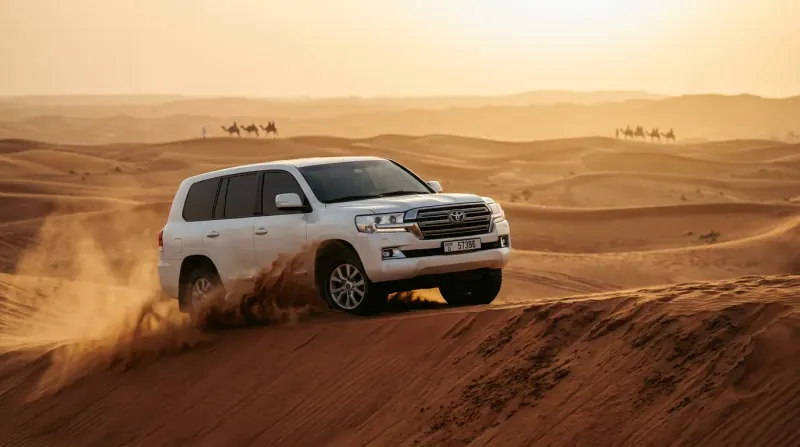
The vehicle used for dune bashing is central to the experience. Most reputable operators use modern 4x4 vehicles with roll cages, working seatbelts, and a valid safety certificate. While you cannot inspect the car in advance, you can ask about maintenance schedules and driver training. A skilled driver knows how to read the sand, avoid sharp drops, and keep the ride exciting without crossing into reckless territory. If the operator cannot describe their driver qualifications, consider that a red flag. You want someone who treats the dunes with respect, not someone who treats them as a playground.

Step 3: Evaluate the Activities Included
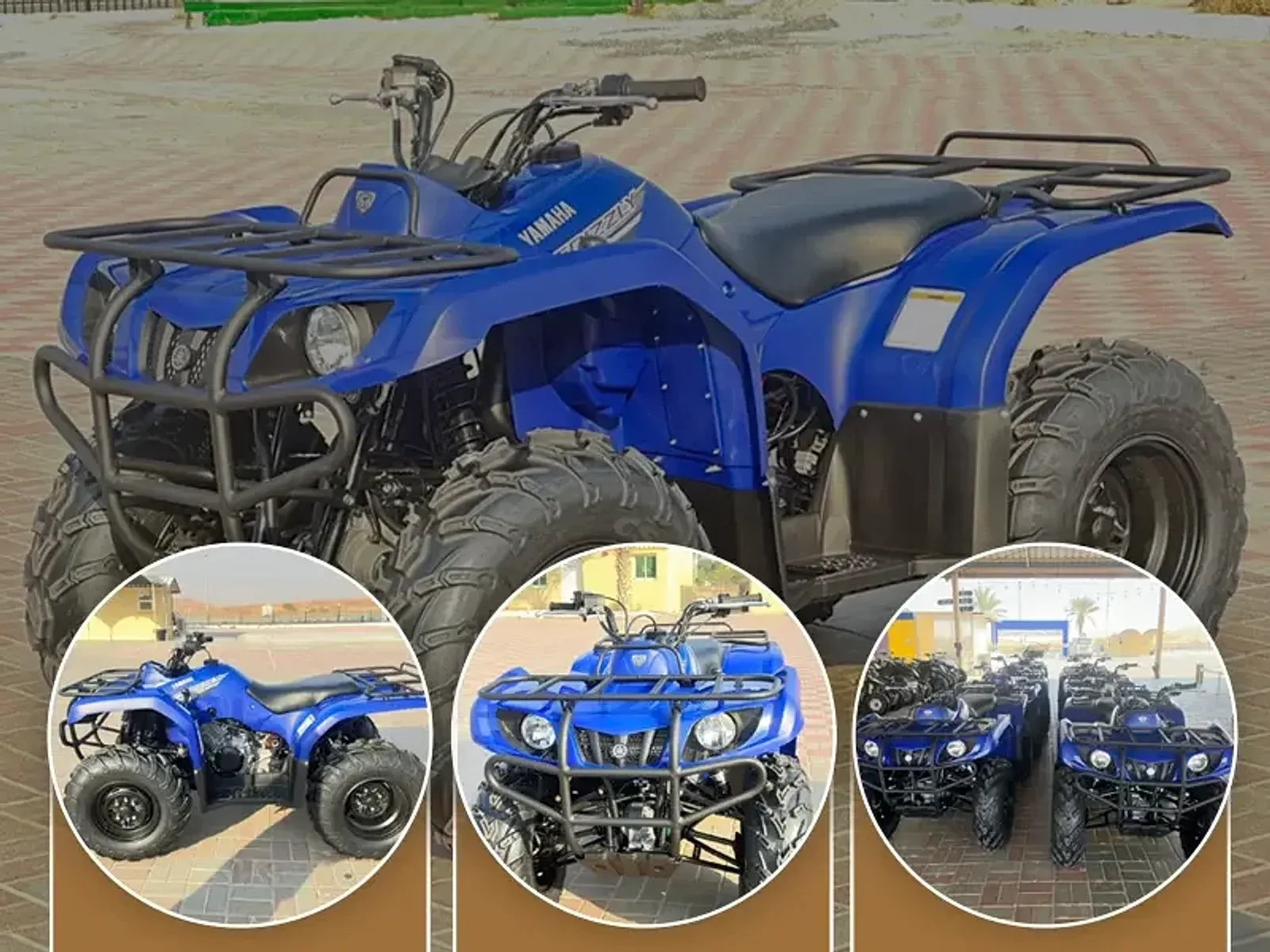
A good morning safari includes more than just a bumpy ride across the sand. Check the itinerary for activities that match your interests. Common inclusions are camel rides, sandboarding, and a stop at a desert camp. Some tours also offer quad biking as an add-on. If you are traveling with children, shorter camel rides and gentle sandboarding slopes work better. For solo travelers or couples, a longer dune bashing session may be more appealing. A falconry display is another highlight that many morning tours feature. It is worth checking whether the display is a short demonstration or a more detailed presentation. The depth of the experience varies widely between operators.
Step 4: Consider the Camp and Hospitality Tent
The desert camp or hospitality tent is where you relax after the drive. Some camps are simple shaded areas with mats and cushions, while others are more elaborate with traditional decor and separate seating sections. The quality of the tent matters because you will spend about an hour there enjoying refreshments. Look for tours that specify what is served: Arabic coffee, tea, dates, and light snacks are standard. A few operators also include a breakfast spread with eggs, bread, and fruit. If the description is vague, ask for details. A camp that feels rushed or crowded can sour an otherwise excellent morning.
Step 5: Read the Fine Print on Transfers and Insurance
Transfers are usually included within central Dubai, but some operators charge extra for pickup from remote areas or from private residences. Confirm the transfer radius before booking. Also ask about insurance coverage during dune bashing and quad biking. While the operator should have liability coverage, it is wise to check whether your own travel insurance covers adventure activities. A few extra minutes spent reading the terms can prevent surprises later. The website classicdesertsafari.com provides clear information on what is covered and what is not, making it easier to compare different options side by side.
What to Wear and What to Bring
Dressing appropriately for the desert makes a big difference. Light, breathable fabrics in neutral colors help you stay cool. Closed-toe shoes are essential for sandboarding and for walking on hot sand. A scarf or hat protects your head and neck from the sun, which can be intense even in the morning. Sunglasses are a must, especially during dune bashing when sand can kick up. Bring a small bottle of water and a phone with a fully charged battery. Most tours provide water at the camp, but having your own during the drive is practical. Leave valuables at the hotel; sand gets everywhere, and pockets are not always secure during the drive.
Timing Your Visit for the Best Light
The morning light in the desert is a photographer's dream, but it changes quickly. The golden hour lasts roughly from sunrise until about an hour afterward. If photography is a priority, choose a tour that arrives at the dunes while the sun is still low. Some operators schedule the dune bashing first, then stop at a high dune for photos. Others reverse the order. Ask which approach they use so you can plan your shots. A falconry display or camel ride also looks better in soft morning light, so the sequence matters more than you might expect.
Handling Motion Sickness and Physical Comfort
Dune bashing involves sharp turns, sudden drops, and steep climbs. If you are prone to motion sickness, take an over-the-counter remedy about 30 minutes before the drive. Sit in the front passenger seat if possible, as the back seat amplifies the motion. Keep your eyes on the horizon rather than on the dashboard or phone. The driver should also offer brief stops if anyone feels unwell. A professional driver will check on passengers after each major section and adjust the pace if needed. Do not hesitate to speak up if the ride feels too aggressive. A good operator values your comfort over showing off.
Comparing Tour Operators
Not all morning desert safari tours are created equal. Some focus on adventure, others on culture, and a few try to balance both. Read reviews that specifically mention the morning version, not the evening one, because the experience differs. Look for comments about the driver's behavior, the condition of the vehicle, and the quality of the camp. Pay attention to how operators handle cancellations or changes due to weather. Sandstorms and extreme heat can force last-minute adjustments. A flexible cancellation policy gives you peace of mind. The website classicdesertsafari.com helps you compare these details without digging through multiple booking pages.
Making the Most of the Return Journey
After the activities, the drive back to the city can feel like a letdown, but it does not have to be. Use the time to reflect on the experience and to ask the driver questions about the desert landscape. Many drivers are knowledgeable about local wildlife, plant life, and the history of the area. A good conversation can turn a simple transfer into a mini educational tour. If you are traveling with children, this is a good moment to let them nap or to look at photos together. The return trip is also the right time to hydrate and to apply sunscreen if you plan to spend the rest of the day outdoors in Dubai.
Final Practical Checks Before Booking
Before you finalize any booking, confirm the cancellation policy, the exact pickup location, and the age restrictions for children. Some tours do not allow very young children on dune bashing vehicles, while others provide separate seating. Also check whether the tour is private or shared. Shared tours are cheaper but involve waiting for other passengers at pickup points. Private tours cost more but offer flexibility in timing and a more personalized pace. Weigh your budget against your tolerance for waiting. A morning desert safari in Dubai can be a highlight of your trip when you choose the right operator, ask the right questions, and prepare properly for the environment.